
A History of XR Cross Reality Part 4 of 6

If you persevered through Parts 1, 2, and 3,
well done! For me, the fun starts now as the timeline now includes my
lifetime which means I can remember and attest to the impact that
science fiction has had on our cross reality creations. We have color TV
so let’s almost finish up the 20th century!
1966 – 1998
1966
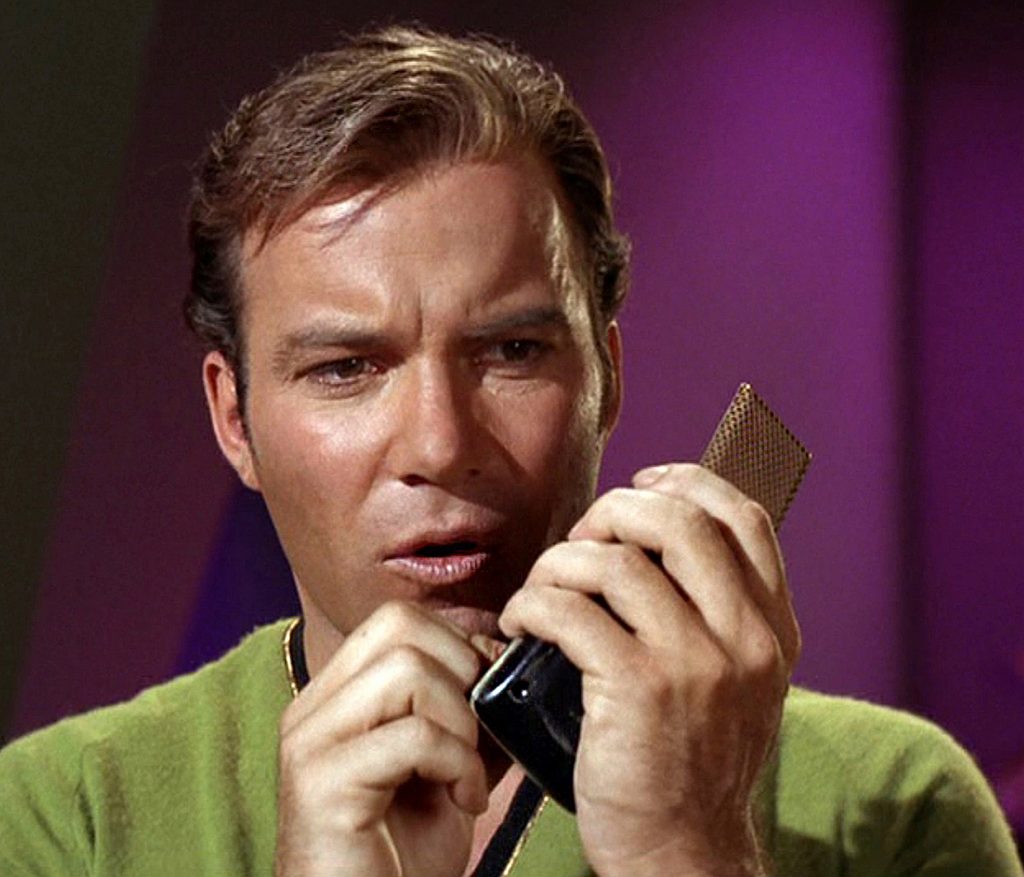
Star Trek and the communicator – a hand held device that could do
several functions, all without cords, wires, or being at a
panel/payphone.
1968 Heads-Up Display suggested for civilian, private use.
1969
Another paleo futuristic image, this one from Japan. This shows
adaptive technology used for learning, no teacher in the room, and robot
that doles out punishment.
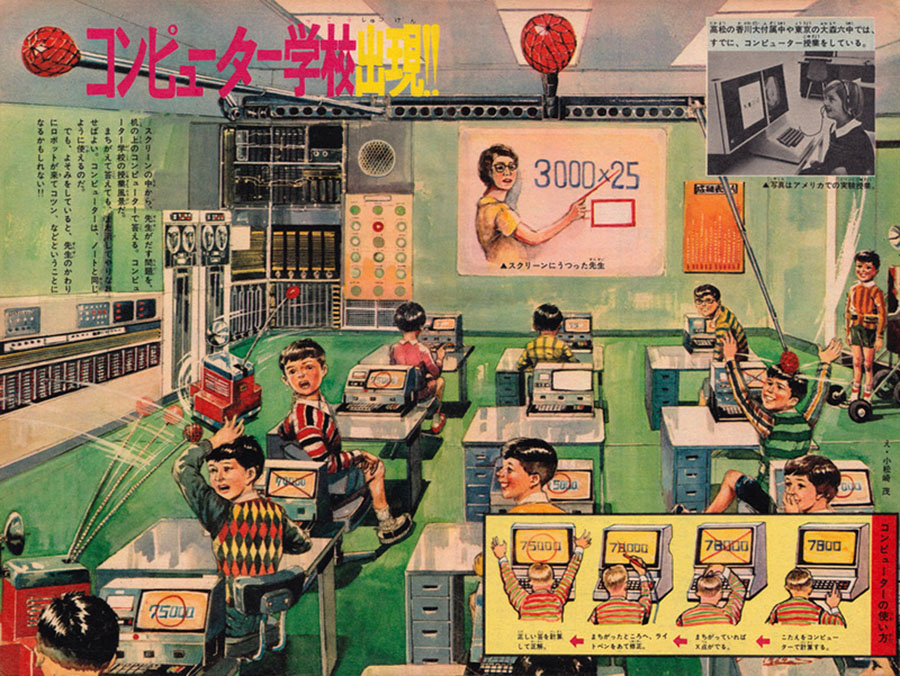 |
| Source: Shōnen Sunday, a Japanese Manga magazine, 1969. |
1972
The first smartwatch, the Pulsar. I tried to find what definition
‘first smartwatch’ meant and I learned that it meant ‘you have to press a
button in order for it to display the time’.
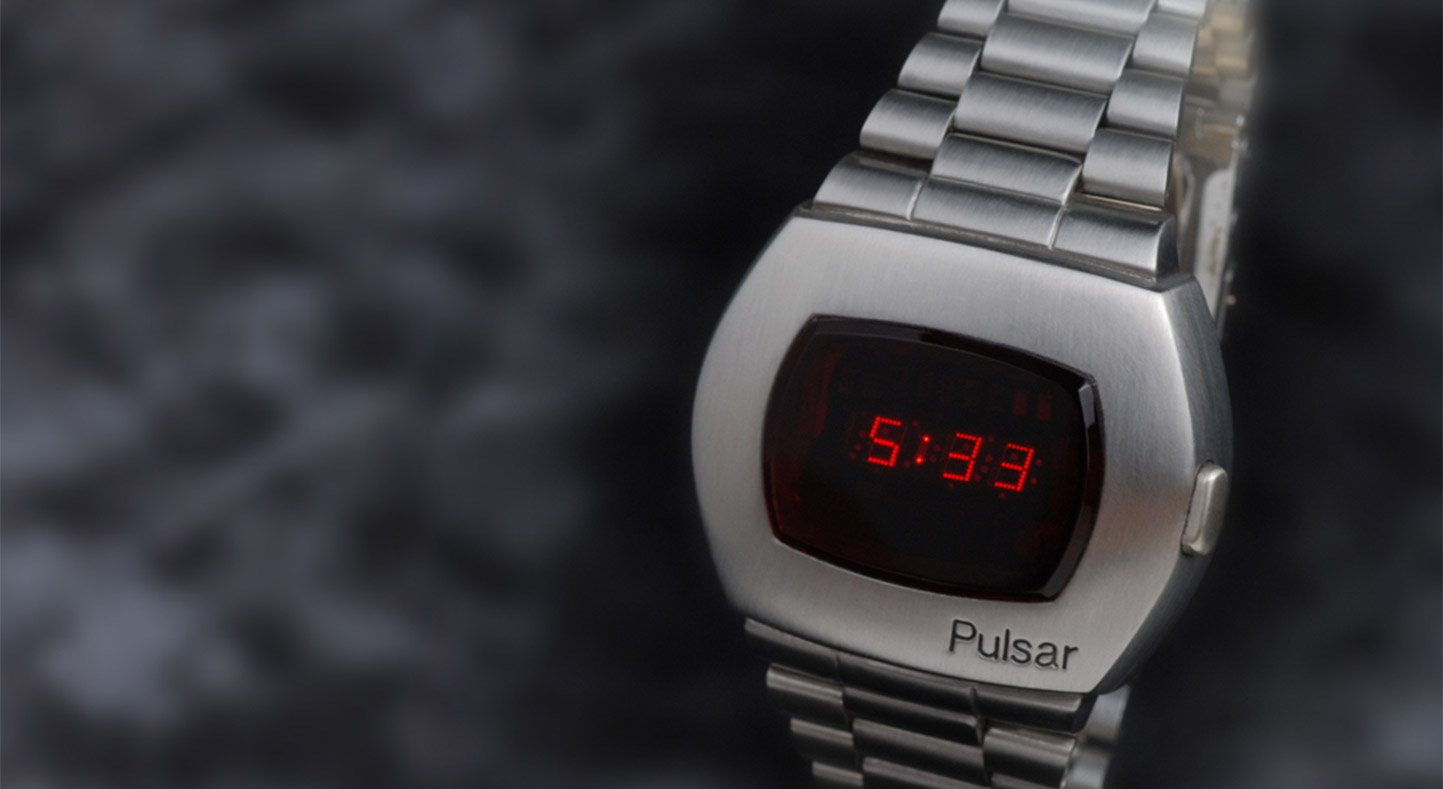 |
| The Pulsar, the first smart watch. Source: watchdepot.com.au |
1974 This
video, One day, a computer will fit on a desk (1974) is excellent to watch. The world is predicted for
2001.
That’s
Arthur C. Clarke. What is it about science fiction writers that have
the ability to accurately predict the future? I think it’s first the
broad spectrum of options that science fiction provides. Second, I think
that they can also pick out design patterns that are viable.
1979 Star Wars – communication via recorded hologram.
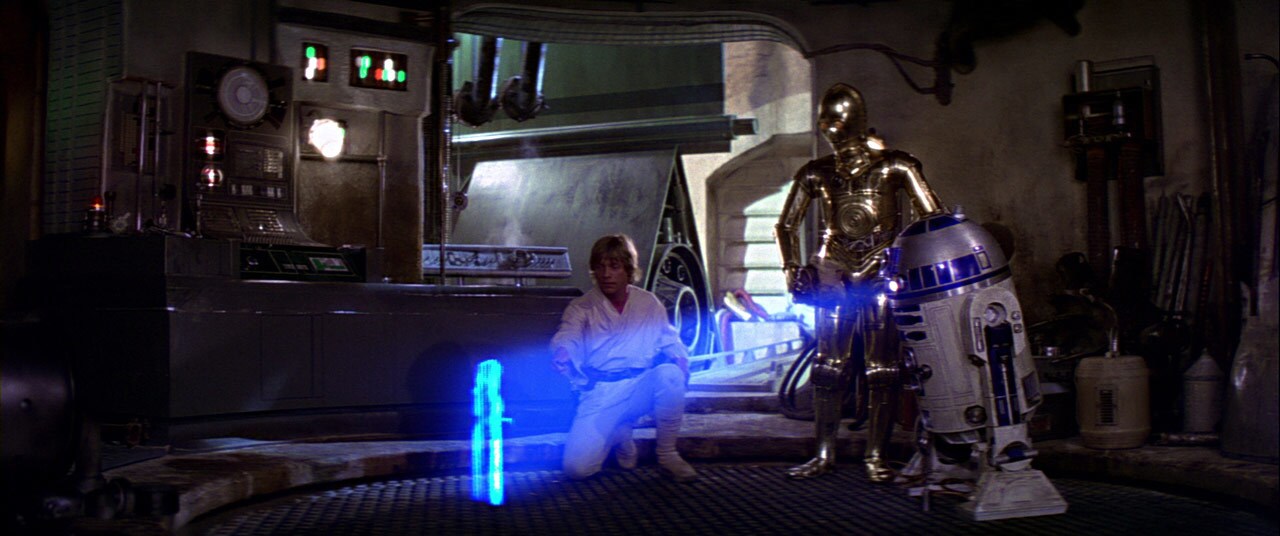 |
| Star Wars, A New Hope, Leia as hologram scene. |
1982
EPCOT opens. This is the now-closed Horizons pavilion which focused
entirely on the future. I wanted to show this image because of the
robots in the home. One robot in the kitchen is cooking and
simultaneously cleaning.
Let’s zoom in on the “Butler” robot who is vacuuming.
 |
| The butler from the now-gone Horizons Epcot pavilion |
Notice
how Disney has the Butler robot — who is capable of other
duties–literally using a vacuum cleaner that would have been present in
1960 or even 1982. So futurists often start by putting objects together to increase the functions. Need your floor vacuumed? No problem. Your robot will grab the vacuum and do it for you. One device will use another device.
But
today, we have Roomba vacuums. Disney was wrong. What happened? In the
future that came to pass, the robot and the vacuum cleaner were put
together into one device (and the butler’s duties are done by other
robots in our homes, I’m looking at you Alexa). Take note of that
pattern; what started as two devices actually became one.
This is a fun image from 1982.
 |
| Credit: Alan Kay |
This
was drawn by Alan Kay who was drafted to draw a vision of how Atari
could be incorporated into the classroom. Bold moves for a game
company– then.
Note: “Here we see some of the earliest visions
from Silicon Valley of the personal computer in the classroom. The
future of education here is technological. It is branded. It is
game-based. There are still desks in rows and clusters. And students
still rebel.” (Watters, 2015)
1992 Snow Crash novel by Neal Stephenson.
 |
| Cover art for the Snow Crash novel by Neal Stephenson |
Stephenson
writes of a virtual world, the impact of headsets, and a basic Sumerian
language programming plot. Philip Rosedale credits his wife as handing
him this novel to read that became the starting point for Linden Lab’s
Second Life virtual world.
1995’s The Net with Sandra Bullock is a techno thriller of an isolated remote worker.
 |
| Source: imdb.com |
Problems
ensue when she discovers a tech problem and a large corporation goes
after her via the only conduit in her life: everything digital. Without
giving away the plot because I’ve heard some have never seen this movie (what?), there is a very interesting intersection with privacy, security, and medical records. Let’s just say that I’m very glad that this prediction of the future has not come true…yet.
#Reality
#CrossReality #MixedReality #VirtualReality #AugmentedReality
#VirtualWorlds #Design #Transmedia #XR #VR #AR #ARVRinEdu #EdTech
#Innovation #StarTrek #Communicator #PaleoFuture #Pulsar #StarWars
#Hologram #EPCOT #Horizons #Disney #Roomba #Atari #SnowCrash
#NealStephenson #SecondLife #PhilipRosedale #LindenLab #TheNet
#SandraBullock
This article originally posted to LinkedIn on November 30, 2019. Updated on February 24, 2026 with better font and re-added images.