Author: H

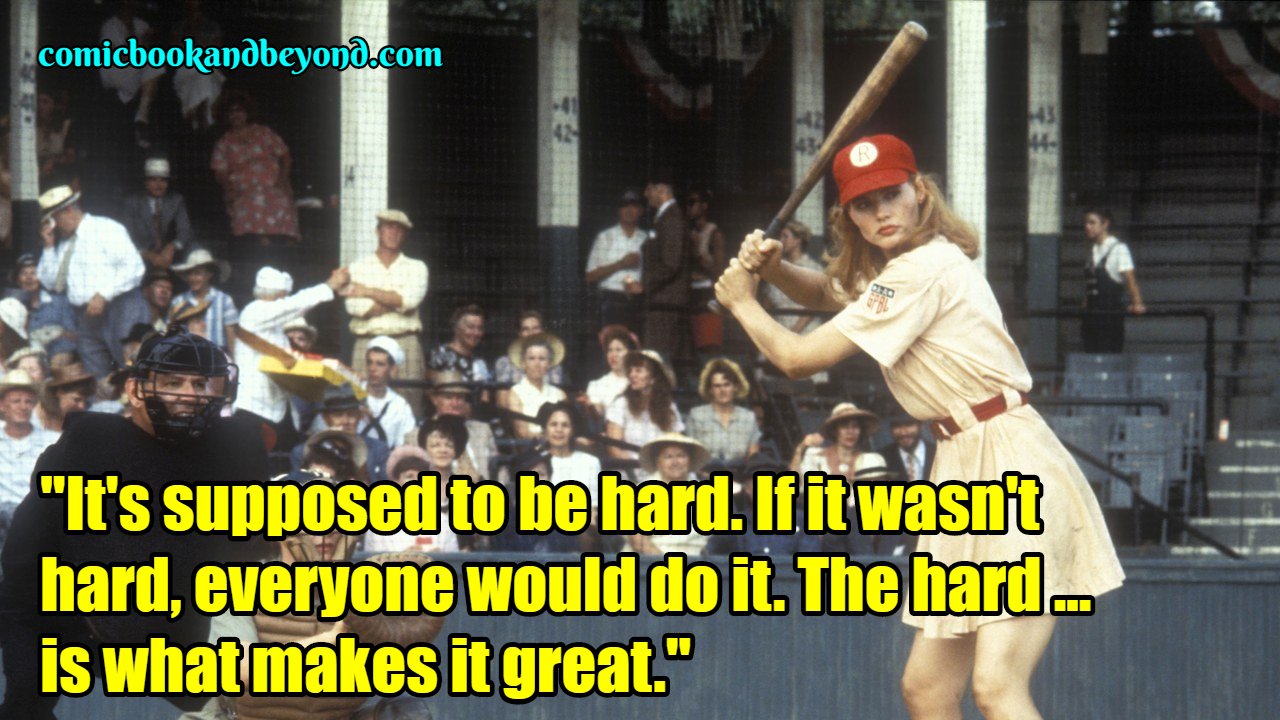
  • STEM is hard; It’s the hard that makes it great.

    STEM is hard; It’s the hard that makes it great.


    Facebook post:

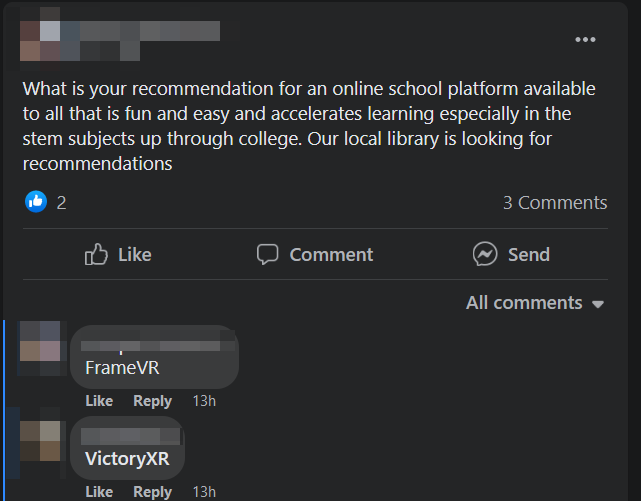
    What’s your recommendation for an online school platform available to all that is fun and easy and accelerates learning especially in stem (sic) subjects up through college. Our local library is looking for recommendations.

    First two responses:

    FrameVR

    VictoryXR 

    My response: Just for the record, it’s the hard that makes STEM learning good. (Gif of Geena Davis’ character from A League of Their Own catching a fast ball with her hand.)

    Screen capture of Facebook post by Heather Dodds with text: Just for the record, it's the hard of STEM learning that makes it good. Gif of Geena Davis catching fast ball with her hand from A League of Their Own.


    Absolutely; curiosity and perseverance matter. I loved physics in high school, but got a 64 on my first calculus-based physics exam in college. Drank 9 shots at TGIFridays that night and nearly puked in the parking lot. Later I professed true love for my ceiling fan.

    STEM is hard. 

     
    Add 10 years and I was tutoring students in Calculus. Add 17 years & I taught physics in college. Add 21 years and I was part of the team launching Calculus & Differential Equations courses for Computer Science majors. 

     
    A friend once counseled me: PhDs aren’t smarter, they’re tenacious; they hang on longer than everyone else. I bit in and did not let go. 

     
    Today, I can inform you that I completed my quantitative quasi-experimental nonrandomized control group pre test post test study with original research, analyzed with SPSS.

     
    And if you are rude to me, I make you call me Doctor.

    Meme from A League of Their Own with text: It's supposed to be hard. If it wasn't hard, everyone would do it. The hard is what makes it great" Photo of female baseball player at bat.

  • How to Balance Theory and Research

    How to Balance Theory and Research

    I love to dwell in both theory and research. Both are fascinating to me.

    But how do I balance theory and research when they conflict with each other?

    I share an example and I know this is stormy waters ahead for some readers because I’m going to create waves.

    Photo of waves set against a cloudy sky.

     Photo by Ant Rozetsky on Unsplash

    First, the theory; Andragogy or Adult Learning Theory credited to Malcolm Knowles and to smaller degrees to other theorists.  Before I go any further, I have to acknowledge that in 2022, there is a STRONG movement to discredit Knowles and Adult Learning Theory.  More than I can count, it’s currently cool to disrespect this around instructional design. It’s quite ugly.

    Examples:


    I find this trend really disturbing and an example of cancel culture. Realistically, I find that IDs that put no mental effort into truly studying Andragogy dismiss it out of hand as unreal based on their surface understanding. Said another way, they believe that they know what Andragogy is and then they say it does not exist. BTW, LinkedIn comments have become hot when I’ve described that THE MOST COMMON COMPLAINT against andragogy is that “children occasionally display these adult traits too, so, therefore, adult learning as an exclusive or separate thing does not exist.”  Heads-up: Classic  logical fallacy of composition

    Once in a while someone will ask “What is an adult anyway?” which I find to be at least a cognizant thought and then explain “Yes, defining an adult is the first exercise in an Adult Learning Theory class.” Duh. It’s actually really hard to define an adult because there are so many different standards. 

    In summary, using a logical fallacy of composition argument is already weak.

    Additionally, I find that Andragogy is well-respected, research-supported part of education around for over 30 years. What’s next to pick apart? Gender studies?!? 2022 does seem to be the Year to Attack Women. What about Black Cultural studies? How about studies about any particular group?? Or should I be saying “Any particular group that isn’t White Mainstream?”  See? That’s where cancel culture gets you eventually; no one is good enough. I reject all of this.

    Rinse & repeat on Brain-Based Learning.

      (more…)

  • Bizarro World Training

    Bizarro World Training


    Photo of light bulbs hanging upside down from a wooden bar.


    Photo by Christopher Machicoane-Hurtaud on Unsplash 

    I was given an assignment to go over good student appointments on the phone protocols with my online faculty.  This was one of those “somebody’s done it wrong so we all need to be punished” training assignments.

    I was pissed. My team was great on the phone. How did I know?

    1. I trained them.

    2. I observed them.

    3. Better than #1 or #2, my team understood that our behaviors with students on the phone reflected upon all of us, not one of us. As the Disney song says “We’re all in this together”.  You’re welcome for that earworm.šŸ˜›

    So I was mad and didn’t want to do the training. But I had 2 items in my favor:

    1. We could design and run the training any way we wanted to. We only had to make “recordings” of the training.

    2. My boss didn’t care to check on the deets. He just wanted to hear that I had completed the training with my team.

    So…. I decided to do Bizarro World Training. That is, the opposite of everything that should be done, we were going to do.

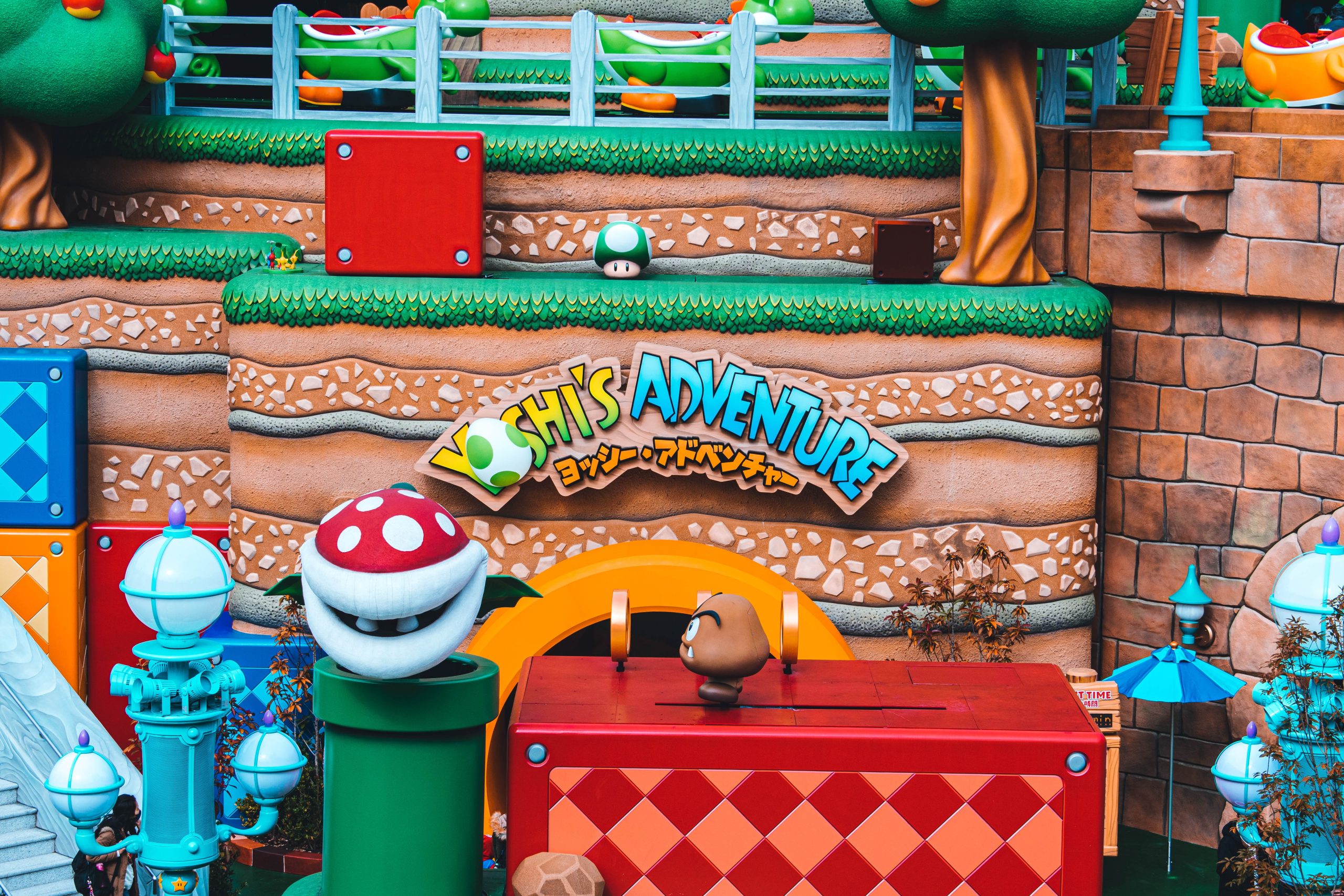
    Photo of Yoshi's Adventure Park somewhere in the real world, made in the likeness of the Super Mario computer game.

    Photo by RomƩo A. on Unsplash

    I directed my team to team into teams of 2 and they had a certain amount of time to make a recording of “The worst faculty – student phone call ever.”

    They would make a recording – it could include video or not but everyone on the team had to appear at least once in a recording, being either the faculty or the student.

    We would watch all of the recordings at one team meeting one week.

    The results were PERFECT.⭐

    I had faculty who started the video literally with her feet up on her home desk, doing her nails. She just casually called a student. She was completely oblivious to the student’s needs and had not prepared at all.

    Another faculty gave off-the-cuff advice, dismissing everything that the student thought *might* be important and just said things like “yeah, whatever!” It was like the most un-clued-in faculty member ever.

    But the winning entry was a faculty member who called a student and they arranged for massive interruptions by their kids during the phone call– on both ends. The student threatened their kids on the phone. Yes as online faculty we hear that a lot “If you don’t quiet down, I’m gonna [insert true reason to call DFS on the student]!”

    But that was not all, the faculty member’s kids broke into the call too, explaining things they were excited about and playing the violin right next to the phone.

    The call devolved into just a cacophony of the faculty member and student yelling at each other to barely be heard.

    We were all dying of laughter, tears streaming out of our eyes, when we finished with this training.

    I kept the recordings and used them to train new faculty. 

    Always with the qualifier, “Here’s how NOT to do it.”

    #SomeOfMyBestTrainingEver

    #training #elearning #OnlineLearning #faculty #leadership #edtech #InstructionalDesign #BizarroWorld #WhatHappensWhenYourLeaderIsAnInstructionalDesigner 

    Article also posted to LinkedIn. https://www.linkedin.com/pulse/bizarro-world-training-heather-elizabeth-dodds-ph-d-

  • Leadership Lessons

    Leadership Lessons


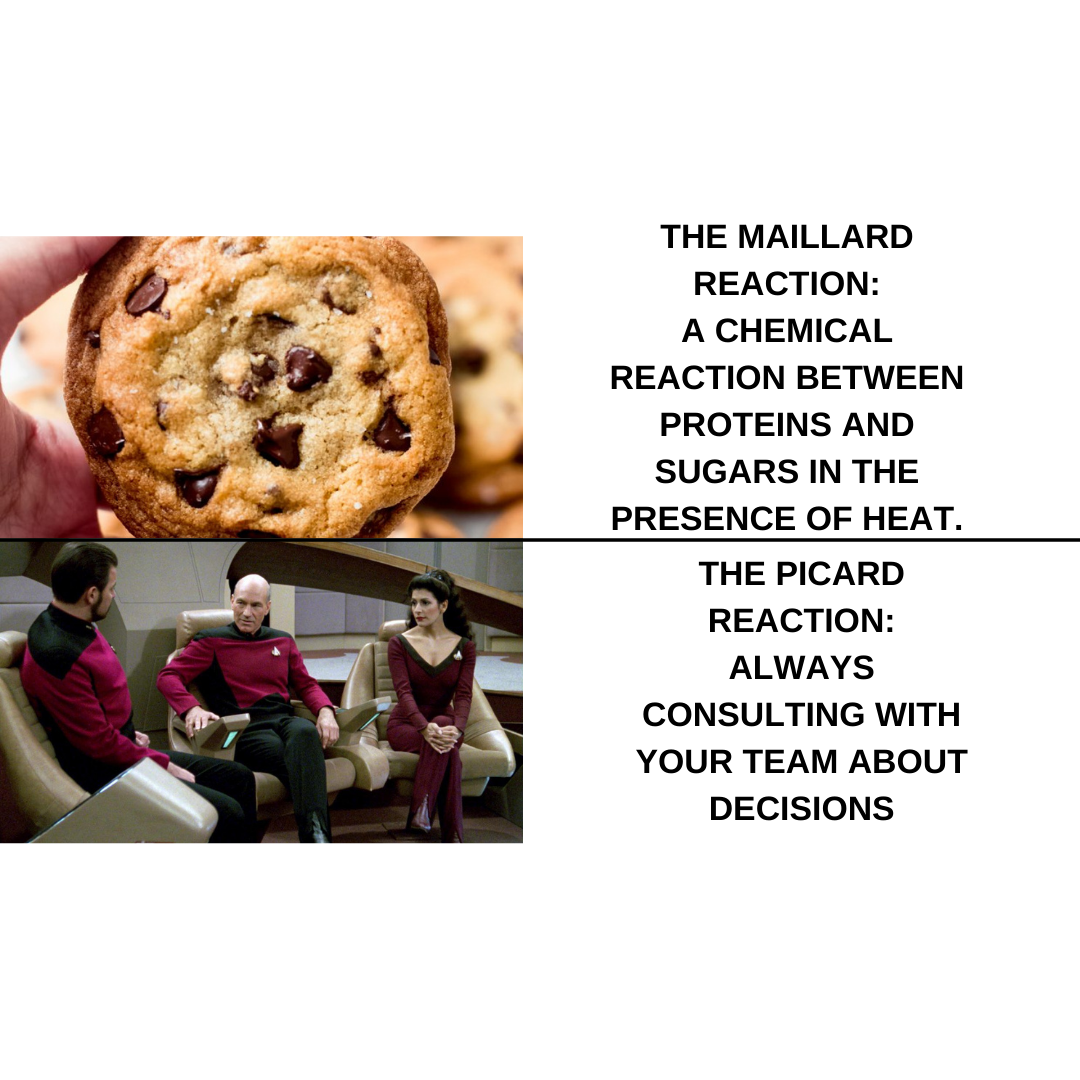
    Meme with 2 panels: First shows a chocolate chip cookie with a lightly browned edge that explains the Maillard Reaction. The 2nd panel shows Captain Picard from Star Trek The Next Generation with his bridge crew and says the Picard Reaction is to always consult with your team on decisions. Meme made by Heather Dodds.

    I’ve got a longer leadership post coming on (related to my own meme above) but I wanted to pause and talk a bit about leadership lessons. 

    One of the first lessons you learn in leadership is that 

    when you are in the middle of a storm, look for points of light. 

    That is, even under the worst of circumstances, given the diversity of human behavior, there usually is a person, a team, or a manager who is beyond surviving and even thriving.  That’s not to laud superhuman work. No way.  It just means that someone has found a way to make the set of conditions – which are- just as shitty for them as they are for you– work.

    I was just talking about a leader in Higher Education that I’ve spotted that is doing that.

    He’s bucking the trend.

    With most schools decreasing in enrollment, this dude has double digit increases in enrollment.

    And this road is not an easy one. When I first learned of him, it was by reading an article that said he had let go 26 faculty in August 2020. A year later, many of the department heads and bosses that were at the college had gone on to other jobs (TRANSLATION: QUIT). I quietly asked some workers who had nothing to lose, “What happened?”  They said that basically, they wanted traditional jobs and he was not offering those. He was offering high risk but tremendous reward and a completely new vision for the college.

    Even the town the college is in (HEADS UP: NEW ENGLAND TOWNS: known for being close minded and elitist. READ: SALEM WITCH TRIALS) bucked up and said that 

    they were unhappy that any growth out of the college was now going to be online and NOT in the form of building buildings.

    He simply replied that online was more environmentally friendly.

    This gamble of his was BEFORE the hard punch of the pandemic.

    Then the pandemic hit.

    And his plan became gold.

    He had plenty of room to expand. The traditionalists were gone (presumably in some other town washing hands, wearing masks, and going back into the classroom). The US mindset had moved even MORE towards environmentalism. People stuck at home had more time to:

    • look at how much trash they generated,
    • think about the gas they weren’t burning in commutes
    • reuse that reusable water bottle
    • get groceries in bulk rather than in little trips with large amounts of food waste.

    In short, students wanted to cuddle their dogs and cats AND go to school.  They want the respect that comes from knowing what they know AND being able to continue to be the best versions of themselves whether that was photographer, board paddler, or tree hugger.
     

    So, when students find a private school (READ: tuition is one price for all) out of state that would allow them to both get the respect of a degree AND stay home, they bought in and they’re bringing their friends.

    It’s really tough to look at a small town and say, “It’s not quite for me…there is more out there” and then follow through. This leader did the follow through.

    And he’s beginning to reap the benefits.

  • Corn on the cob was dinner. Lunch will be a tomato sandwich. Is it summer or what?

    Corn on the cob was dinner. Lunch will be a tomato sandwich. Is it summer or what?


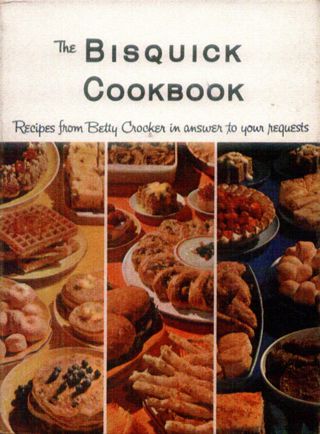
    I have this 1964 Bisquick cookbook that is my very favorite. Say what you will about the arrival of space age food (READ: HEAVILY MANUFACTURED)  into modern culture in the 1950s and 60s (i.e. jello, box cake mixes, TV dinners).

    There is a concept captured in this cookbook that I am just fascinated with:

    the concept of eating just one produce item for a meal. 

    Let me show you where this happens. 


    Sorry for the poor quality scan.  It says:

    Once-A-Year Shortcake Supper

    At the height of the summer season, make a whole meal of crusty-tender golden shortcake, served warm and generously buttered, then heaped with fresh slides peaches or strawberries. Pass a pitcher of cream or a bowl of sweetened whipped cream, and serve with steaming hot, good coffee! Let your family eat their fill– good enough for company, too.


    No joke. If I could time travel to just watch this meal, I would be ENDLESSLY FASCINATED.

    Not to mention that I can just SEE the Ad Men who wrote this:

    Make sure every noun has at least 3 adjectives, all complimentary! I don’t care if it’s dirt!  It better be “hearty, succulent rooty dirt!”

    When I searched for this particular supper wording, I found that this Bisquick cookbook encourages multiple events of “just have one thing for supper” (fritters, chicken & biscuits, pancakes, etc.) Hmm…I smell conspiracy. A conspiracy to keep selling me Bisquick.

    Why am I fascinated by this?

    Growing up in the 1970s and
    80s, I was a child of the “get an ingredient” style of cookbooks and
    cooking. It was all about the recipe. The recipe was the highest metric
    in cooking, not skill, forethought, or flavor. It meant that I found a
    recipe, I shopped all over town for the ingredients, and then made that
    recipe–come heck or high water!–and then sat there and
    evaluated if I liked it or not. There was absolutely NO consideration
    of price, availability, freshness, social conscience, farmers, NOTHING!
    Why would you? You can go to the store and just keep looking, looking,
    looking (and Amazon.com helps zero here because it facilitates this
    behavior to the zillionth degree, you can buy cinnamon from the slope of
    just one mountain, jeez) and you buy what you need! How dare you even
    think that that thing is “out of season” or “won’t taste as good
    preserved” or…or…or…  

    Desire was placed before
    appropriateness. Want strawberries in December? Sure! Your local store
    in Timbuktu has strawberries every day of the year. (Try to put off the thought that they taste like STRAW.) 

    Want corn on the cob
    in January? Yup. Check the fresh produce section or, in a pinch, the
    freezer section. They’ll be mushy and taste like water, but whatever! 

    Really craving X? No worries. Just get to the store.
    You probably have everything but that one special ingredient that you
    need (almond extract, soy sauce, hearts of palm) that you only use for this recipe.

    Easily
    I can say “I’ve never made a cake from scratch”. By my generation,
    making a cake from the basic ingredients: flour, sugar, eggs is lost to
    all but probably professional bakers, whom I assume know how because
    they have to make large cake sizes, not because they know much about
    cake making. My grandmother could make cakes from scratch. I can’t. At
    sale prices of $1 a box that make either a 9″x13″ or a 2 layer 8″ round
    cake or 48 mini cupcakes (ahem, I might be speaking from experience there), I can’t think why I would reach for flour. But that’s another
    thing…I’m getting off track. Besides, in researching for this blog
    post, I’ve been unnerved that I never actually thought to myself “Hmm..I AM low on phosphate.”

    Image of Bisquick box listing its ingredients on the front, including phosphate.

    1956 Bisquick strawberry shortcake. You can feel it coming on.
    Biscuit mix– so easy! and look how high that ‘shortcake’ is stacked!
    The ad itself tells you. Do you want something now? Yes, you can have
    it. “And why not?”


    Another 1954 ad: Enter another product: Whip cream in a can ready whenever you are. Were you, just like me, confused and fascinated by the “Pass a pitcher of cream or a bowl of sweetened whipped cream” from the supper suggestion above, thinking “Uhm, is that Cool Whip?”

    But back on track: One item for dinner. It’s not just Bisquick that has this. 

    Exhibit B: Laura Ingalls Wilder’s Little House in the Big Woods has the chapter: The Sugar Snow. This is all about collecting maple sap, boiling it to make maple syrup, and then the neighborhood getting together for one night to eat NOTHING BUT PANCAKES AND SYRUP.

    Think about that for a second. An entire community getting together to do nothing but celebrate that they have low or no cost sugar for the next year. There were pancakes (probably made WITHOUT Bisquick…humph! How did they live?) and syrup and maple syrup candy made on snow. Not one person said “But what about our need for protein?” or “Should I serve a fruit salad with this?”  

    Just down the hatch. Maple syrup or f’in bust.

    For just one night. One meal. And if nature didn’t give you that bounty, you didn’t have that meal. In this case, you did not have SUGAR. 

    FOR A YEAR.

    That a sobering and realistic thought that I think it totally alien to my culture. If it is a bad year for:

    • maple syrup (yup, can happen. Global warming wrecks havoc with the below freezing/above freezing requirements of harvesting, to say nothing of insect or disease killing off maple trees)
    • strawberries (a mistimed rain and you have moldy or burst strawberries)
    • corn (uh…insects and raccoons are ALWAYS beating you to the crop, especially if you downsize to your own “yard”)
    • cucumbers
    • tomatoes

    you 

    just 

    don’t 

    get 

    any.  

    Wow. Sit and really think about that. How would you live if the guarantee of corn on the cob was gone?  What if it was a “Wow, we’ll be really blessed this year if we have corn!” feeling?  Sounds very agrarian and very much ties blessings to the land. If you get this (corn, strawberries, maple syrup), you are blessed.  If you don’t, too bad. Hope for next year.

    I have one more recent cookbook that focuses on the concept of eating foods in season. Still, the recipes look very ingredient-y.  Like “Yes, you can have nothing BUT sweet potatoes for a meal! As long as you have cinnamon from the left side of Mount WhoSaWhatsIt!”

    Photo of corn on the cob with little corn pokers that hold the hot cob.


    All of this is to say, with some forethought and anticipation:

    Last night I had nothing but corn on the cob for supper. Just steamed corn on the cob with salted butter and more salt doused over the top. I didn’t even sit down. I ate it standing up in the kitchen.

    My neighbor is on a short trip and left me in charge of her tomatoes with instructions to “eat any that get ripe” while she is gone. 

    Today, I’ll eat a tomato sandwich for lunch.  Probably standing up.

    ~

    As of this writing in August 2022, you can still procure a copy of the 1964 Bisquick cookbook on Ebay as “vintage.”  The illustrator, Jolly Roger Bradfield, is a hoot and illustrated other books!

  • Working Hours

    Working Hours


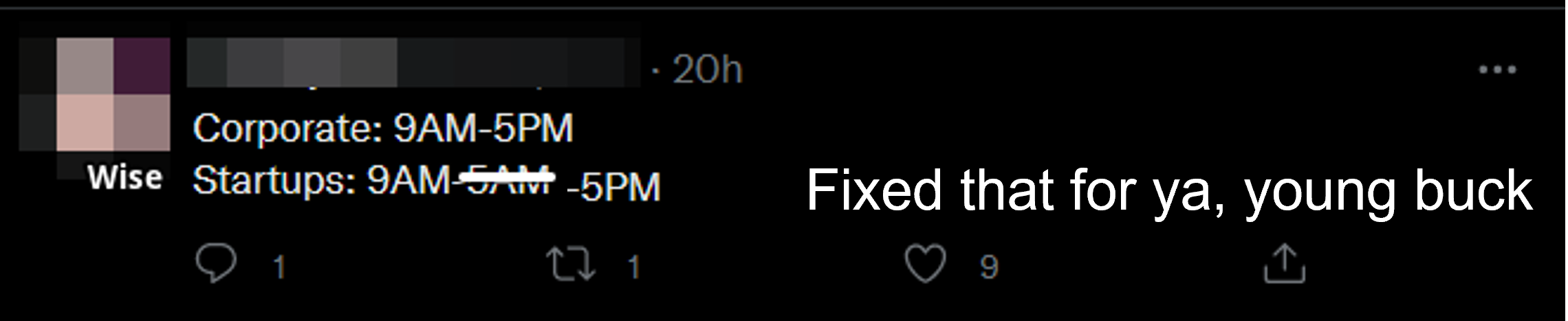
    Capture of tweet that said Corporate: 9AM-5PM Startups: 9AM-5AM. Fixed to: Wise Startups: 9AM-5PM with the comment, Fixed that for you, young buck

    As seen on Twitter.

  • The Dodds Family Food Traditions

    The Dodds Family Food Traditions


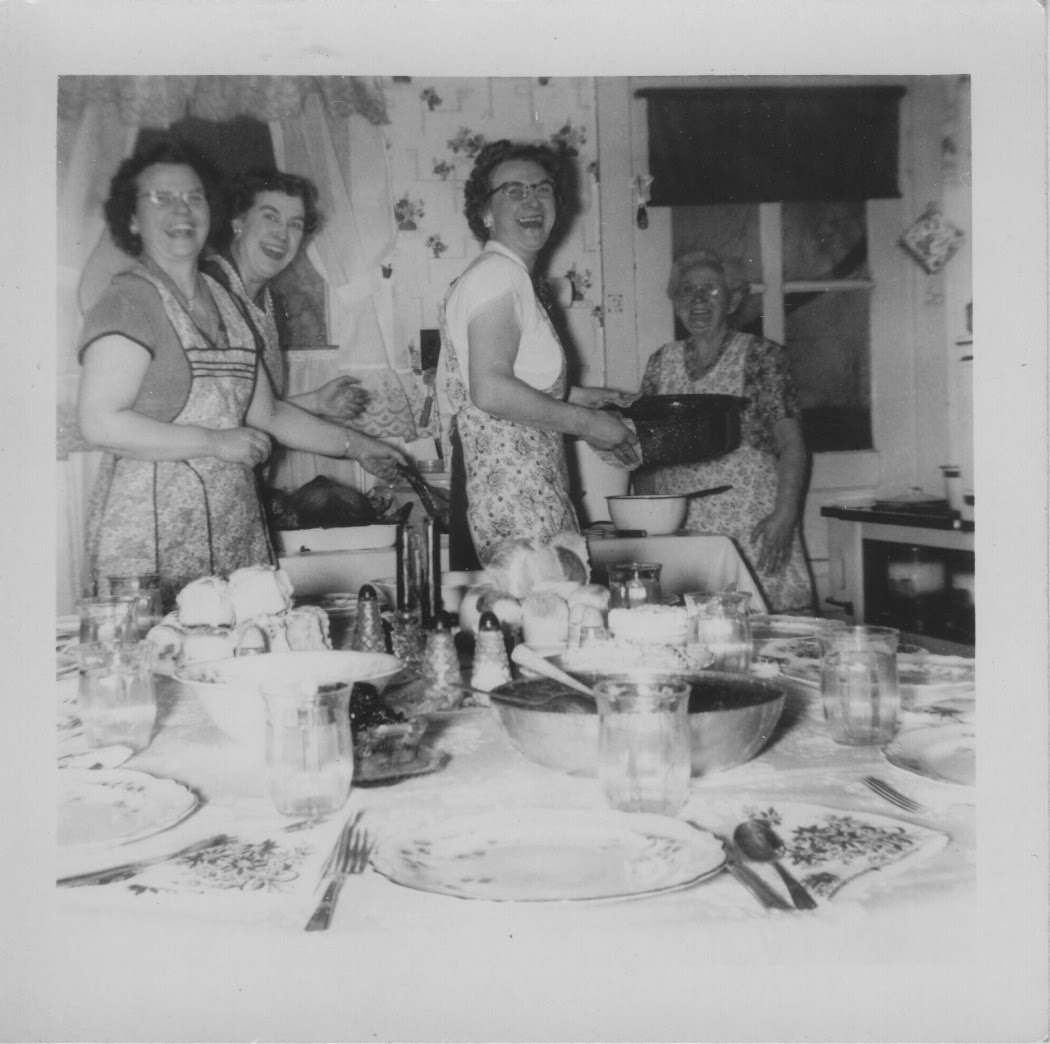
    Black and white photo of 4 women in a kitchen around a stove. My Great Aunt Eula is laughing.

    It occurs to me that, if anyone was interested in old family traditions, I might want to write down what I believe are the Dodds family food traditions, specifically focused on food served at 15 Justina Street in the 1970s and 1980s. You see, I live there now and at the drop of a hat, I’ll tell you all about how Thanksgiving SHOULD be done. In detail. With recipes.

    How did this blog post come about? I’ve been reading In Defense of Food and I’m thinking about that line “Eat food your great grandmother would recognize”.

    That could be:

    Edna Francis Price, 1886 – 1947, Gouveneur, New York


    Or 

    Emma Francis Boyd, 1885 – 1949, Lisbon, New York

    I’m happy to say that ‘people eating in groups’ has a history down the Dodds line, (photos next) and down the line I even gathered a subset of photos of ‘people eating in garages’ since that’s how Family Reunions of the 1970-80s were done.

    Photo labelled Adam Scott House family reunion

     Caption: Adam Scott Family Reunion, Adam Scott would be Emma’s grandfather (mother’s father).


    Hands down: One of my most favorite photos I discovered when I inherited several families’ worth of photo collections.
     
    Left to right is:
    My grandmother Helen Elizabeth Crowe Dodds, then my Great Aunts Eunice Dodds Garrett and Eula Matilda Dodds Colby, and an unknown women whom I’m guessing is Edna Francis Price Dodds.

    Black and white photo of a table being prepared for dinner. A man behind is reading a newspaper.

    Unknown photo but just guessing: Edna Francis Price Dodds preparing another dining table, covered with a table cloth. Behind looks like my Great Uncle Kenneth Colby and further behind is a man reading a newspaper, who could be my Great Grandfather Murray Adebert Dodds

    Black and white photo of my Great Aunt Eula standing in what was the Massena, New York A&P Grocery store.

    My Great Aunt Eula standing next to a remarkable Easter Candy display at what I think was the A&P grocery store in Massena, New York. My great Aunt and Uncle ran that store for many years.

     
    Not that the family are not gardeners – we are! Here’s my Great Uncle Ken Colby and his brother Melvin Colby sorting potatoes on Andrews Street in Massena, NY in 1977.

     
    I asked my brother Mike once why I have SO MANY PHOTOS of him with birthday cake.  He said “Because Grandma made good cake!”  Unfortunately, I have none of my grandmother Helen’s cookbooks.

     
    Here is the birthday idea combined with “outside” I think this was on Lisbon Street in Heuvelton, New York, ~1969?
     
     
    And we arrive at eating in garages! This is actually a barn, my current barn, and it was a family reunion. I remember this was the time my chain was yanked because back then, I did NOT like pie. But I had some pie I liked. I was told it was Farkelberry Pie. (I think it was raspberry.) 

    Photo of the dining room at 15 Justina Street, Heuvelton, New York. Circa 1980s.

    Now one of the best old photos of my current dining room. I have it set to seat 8 but we’ve fit in 10 before. If you crack out card tables, there is room for even more!

    So far, I won’t cover summer food because the traditions are NOT as strong. But as promised, here comes Thanksgiving. I hope you are writing this down!

    Thanksgiving, the Fourth Thursday in November 

    Photo of dining room.

    First, you must procure some Macadam’s Extra Sharp Cheddar Cheese and leave it out to get to room temperature. We are a cheese-with-pie family and the cheese needs to room temperature for dessert.

    Next, we don’t do appetizers technically. All of that would take up room later where you are going to put mashed potatoes. Neither either on alcohol. It’s just not the Dodds family way.

    Here is the traditional menu:

    Turkey 

    Roasted. The bigger the better. Everyone leaves with leftovers. And don’t worry about fitting it back into the fridge. We store the leftovers on the porch you see just at the back of the photo above. I call that porch “Grandma’s Refrigerator”.  By Thanksgiving, it’s going to be at least 30-40 degrees Fahrenheit out there at night, so it’s good.

    Mashed Potatoes

    Purist? No skins.  But if it were just me, I’m OK with skins.

    Gravy.  

    One time I measured it. I was amazed to realize that we don’t even go through 2 cups in one meal. Wow, it feels like more. Oh well. Don’t worry. Gravy keeps and we’ll need to for Hot Turkey sandwiches starting on the Friday after Thanksgiving!

    Stuffing

    Which we call stuffing, not dressing. And the recipe is drop dead simple– the one from the red and white checkered cookbook (otherwise known as the Better Homes and Gardens Cookbook.) Close to this one. But please do not add any other funky ingredients to it! I’m looking at you, Delaware and your clams!  Ditto for adding raisins or mashed potatoes. As Sam The Eagle would say, “weirdos”

    Sam The Eagle gif, looking disapproving.

    Green beans

    Plain, nothing added. I’m not even a fan of putting butter on it in the kitchen. Keeping them warm, however, still eludes me. I’m totally interested in the “hot water” pans of the 1960s.

    Cranberry sauce

    Jelly kind, NOT with berries. I prefer this to cut into circles and fanned out.

    Rolls

    Yeast, small & humble in size. Can be store bought. I do not condone using King’s Hawaiian though – too sweet for this meal.

    Butter 

    Straight up plain salted butter. Don’t mess with this. Don’t.

    Pickles

    If you can. Must be homemade. The more variety, the better. Yes, a pickle plate, definitely.

    Water with ice

    We’re not fans of drinking our calories here.

    Actions

    Food gets passed at my table. So you reach out (we don’t say grace) and take some food of whatever is in front of you, then you pass it. We usually call out “To the Left” or “To the Right”, whichever makes sense. Big items like the Turkey platter stay put and folks pass their plates to get a serving. Later when the platter is less full, it will be passed.

    You will be pumped to fill up.  When I was a kid, if I protested that I was full, I was told to “Go outside and run around the house three times. Then you’ll have more room.”  I never took up that offer.


    The Dodds family way is to eat at 1 p.m. then let the meal “settle in your stomach” or rest. Then eat dessert around 2:30 or 3 p.m. and get leftovers packed up so that folks can start traveling and get home before dark. 

    Desserts

    Pumpkin Pie and Apple Pie. Generally the pattern is Pumpkin plus one other pie, so the apple could change out possibly, but that’s rare. Both of these pies are relatively plain, no messing with them.

    Cheddar cheese.

    Cream puffs, preferably stuffed with Cool Whip.

    Leftovers

    Everyone leaves with some.

  • The Salem Witches of ID OR Cancel culture has arrived in Instructional Design

    The Salem Witches of ID OR Cancel culture has arrived in Instructional Design


    Photograph of Salem-like harvest table with autumn colors

    Photo by Erica Marsland Huynh on Unsplash

    What do the Salem witch trials and woke cancel culture have in common?

    Both established rogue thoughts as truth.

    I’m sorry to report that over the past few months, cancel culture has arrived in Instructional Design.

    Personally, I’ve seen “Andragogy” and “Brain-Based Learning” attacked and discarded on public LinkedIn posts, threads, and some blog posts. I’ll be collecting them here below as I find them. However, if there get to be too many (and already collecting these was depressing and exhausting.  In one case there were 30 replies and that was not even to me!) I’ll stop collecting.

     It is as if a newer ID hears of brain-based learning, says to
    themselves “huh, where else is learning supposed to happen?” and then
    calls brain-based learning stupid because of the name.

    I’ve
    tried to point out that what’s happening is that less educated
    Instructional Designers are approaching these concepts as words only or
    with very little in-depth research and are tossing out the concept
    entirely.

    In
    the case of Andragogy, I tried defending it. It’s an established
    section of education with a depth of history of more than 50 years (in
    popular Education studies, longer in lexicon). Attacking it, to me, is
    the equivalent of attacking Black History.  Why would you do this? It
    makes no sense.  The arguments against andragogy always seem to equate little children with adults. 

    For example:

    • According to andragogy, adults want to know why.
    • My child asks why. 
    • When doing so, my child behaves as an adult.
    • My child is not an adult.
    • Therefore, andragogy does not exist. 

    Rinse & repeat with a lot of cognitive elements (my child can do this, my child can do that…)  Always exceptions. Piaget gets dragged into this (he does below). Perhaps then begin the “Well, if one part of false, then all parts are false” arguments…which themselves are logical fallacies. Duh.

    It’s tough out there. Note in this first example, the author is the post is ALSO the author of the article hosting place called The Learning Scientists— which is a point that I make; that the OP is putting on a aura of authority that is, perhaps, inappropriately authoritative to the audience. Said another way, readers might not understand that the writing, all inclusive here, was opinion.

    Andragogy

    (more…)

  • Academics Getting Paid To Write

    Academics Getting Paid To Write

    Image of large arrow pointing left made up on small arrows pointing right. Image is meant to convey concept of contradiction.
    Photo by ę„šęœØę··ę Ŗ cdd20 on Unsplash

    I once was in the position to see the editing of an international research position paper; how the sausage is made, so to speak. I was able to see contributors, editing, and writing styles first hand by academics from my industry. 

    What I saw was shocking.

    Writer #1

    I saw one writer who is a famous name in my industry who could not write their way out of a wet paper sack. Literally one paragraph that was meant to contain a definition of “immersion” contained five sentences that were the same sentence reworded. It was exactly like watching a Freshman college student open, work on a paper by writing one floppy sentence, then hitting save, put the paper away for a day, then re-open it, start again in the same paragraph and forget that they should be adding thought and simply re-work the same thought they had the day before, and then think that they were profound. The result is that they sounded like a bullshitter. Their work needed major rewriting; every sentence.

    This is a doctoral holder who is director of a major research/production house with the US. [EDIT: Update from December 2025. This writer’s university is collapsing.]

    Writer #2

    Second, a writer who is famous — like hits the podcasts weekly for their opinions in my industry– contributed a page and a half of writing and was paid US$5,000. (Actually all three examples I give here were paid $5,000 each for their writing). It didn’t need much editing but…hey…could you sleep at night knowing you gave that kind of contribution? The final paper was 75 pages.

    $5,000 for 1.5 pages of writing?

    Nice work, if you can get it.

    Writer #3

    The last writer actually gave good writing and a decent amount of it. Unfortunately, this person does not get off completely free from problems. 

    I personally tech supported the person as they were supposed to present in an admittedly difficult XR platform. They didn’t attend a rehearsal. The time of the event, their sound didn’t work. I brought them outside of the auditorium to troubleshoot. But as I went through the standard list of fixes (which all centered on the user and their Windows settings), I got a healthy heaping of sighs and “I should be inside presenting” statements. Eventually, the writer gave up on me and the tech and decided to go in on cell phone patched in.


    The writer was still paid $5,000. But they had an attitude that would not fit through the door sideways.

    All doctoral holders, all famous names in the industry. All unpleasant to work with, to put it mildly.


    Disclosure: I contributed to the early stage of this same writing project. However, there is no proof that any of my contributions, or indeed much of any of the contributions of the 54 unpaid, early stage writers showed up in the final project other than just in name. The early contributions were supposed to be read, condensed, and included in the final version. There is absolutely no proof that actually happened. 

    Even at one point, I had heard an incident that a quote attributed to an
    early writer had never happened; they didn’t write/say that. That person strongly objected to the quote for obvious ethical reasons. The editors removed the mistaken attribution. 

    It seems much more likely, from what I witnessed, that the three writers above plus the editors simply restarted a new document to their own preferred liking.

    The further editing was a mess as editors worked with different writing programs
    and had distinctly different approaches to what was acceptable academic
    writing. In the end, the main editor was so disgusted by the writing
    that they refused to have the document qualified as academic writing and
    it was spun as a “market report” (interesting, given that it was
    written entirely by academics) instead. It didn’t really work. 

    The document hit the presses
    more than 6 months late to little acclaim or notice.

    (more…)

  • Dr. Ellie Sattler, Jurassic Park, and Narrative Plot. Or It Wasn’t About Dinosaurs.

    Dr. Ellie Sattler, Jurassic Park, and Narrative Plot. Or It Wasn’t About Dinosaurs.


    It’s a rare moment when I can bring 3 themes into 1 post:
    leadership, XR, and design. Also, I’m going to be personal. Believe it
    or not, I’m not really personal on LinkedIn. Enthusiastic, yes. Personal, hardly.

    Over the weekend, I wrote a gushing sentence to a friend that I
    realized I’d never written down before: I became a Biology major in
    college because of Dr. Ellie Sattler.

    A mentor of mine once said writing is thinking. Writing that
    sentence lead me to do a lot of thinking and reading about her character
    and on the impact of the Jurassic Park (JP) movie.  I’m not alone as a
    woman in deciding to go further in STEM because of the Dr. Ellie Sattler
    character.  So huzzah all the Paleobotanists out there!

    We have to time travel to talk about JP. In 1993, we’ve just BARELY
    broken out of the 1980s. For the first time in STEM history, scientific
    breakthroughs are being accomplished by teams instead of white men.  Think: AIDS breakthroughs & the Human Genome Project. Teams means women included. Prior to this point, women were the ā€œalso ransā€ in science.  Sisters. Mentioned on the side. Or worse, they had their research stolen.
    Strong women depicted in media? Disney’s top film of the 80s was The
    Little Mermaid and Aladdin was just released in 1992. Strong women, not
    so much. Video tapes existed; the Internet did not. If you wanted to see
    a movie, you bought a movie theater ticket.

    We arrive when the music was rises in cool, dark, air conditioned theaters.  And then you see this: 

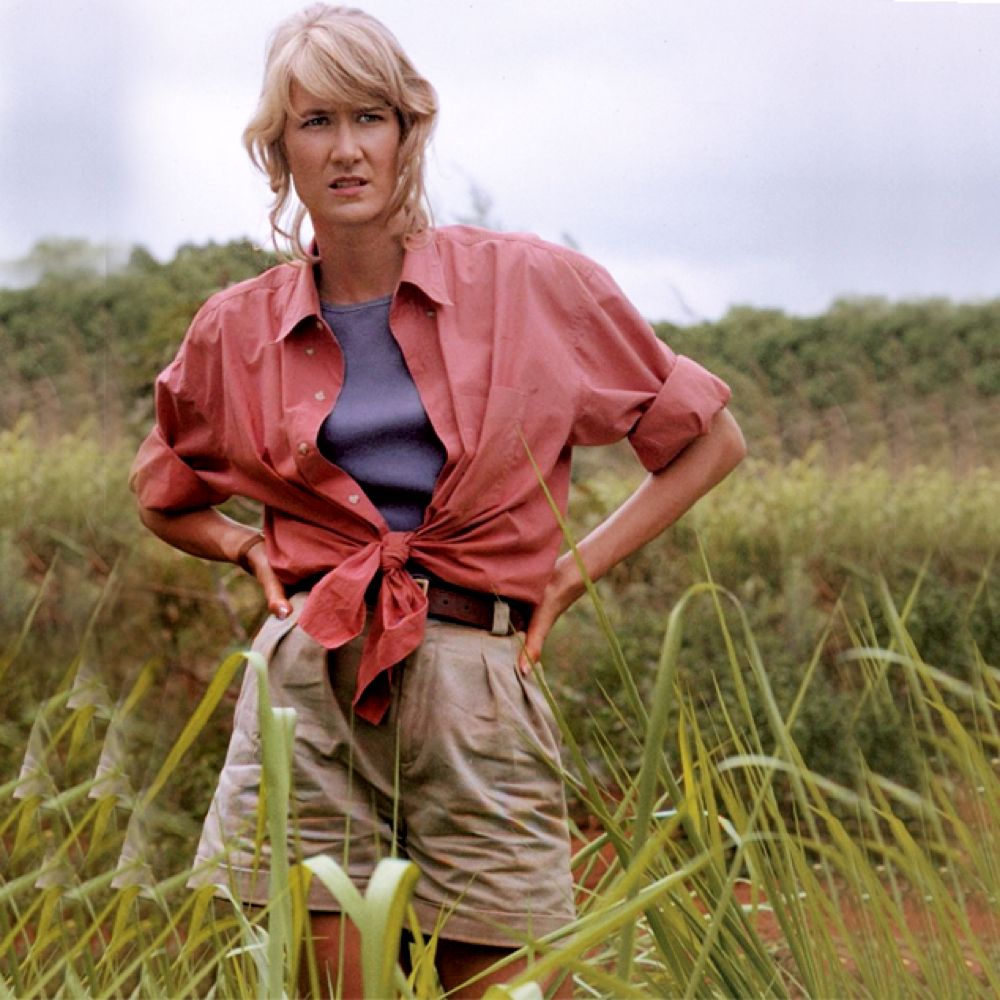
    "Screen capture from Jurassic Park of Dr. Ellie Sattler looking pensive. Remarkably, this depiction of a woman scientist was also not sexualized nor concerned about sex in any way."


    Caption: A character who does not care what you think because she’s solving a problem.

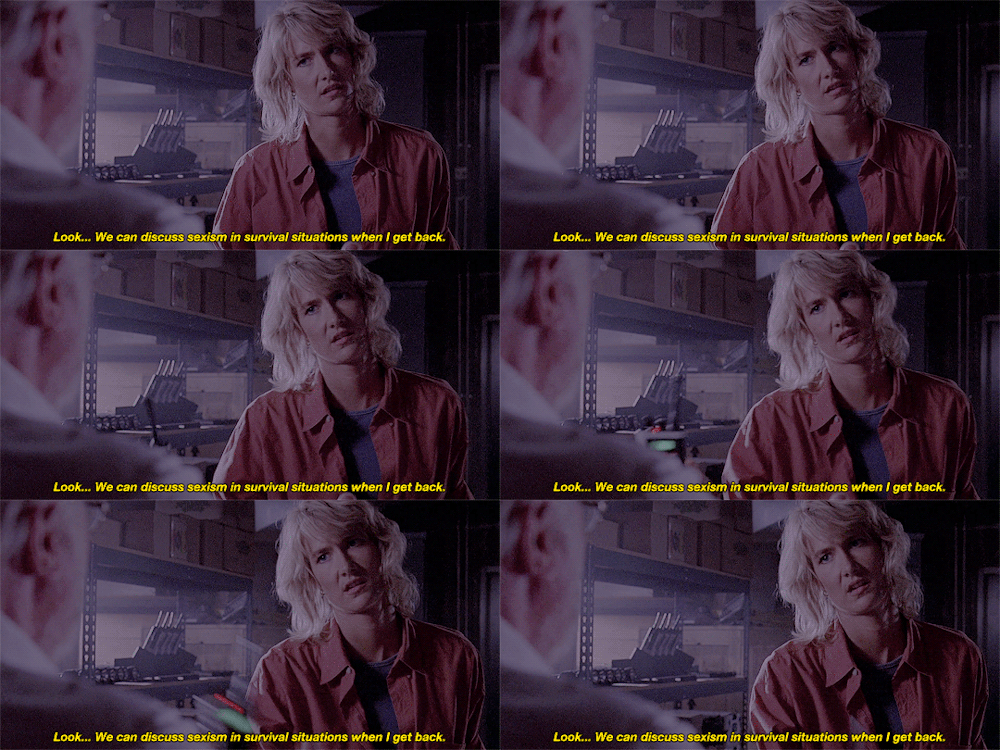
    A character who lays out this line while she holds a stare on the richest daddy around:

    ā€œLook…we can discuss sexism in survival situations when I get backā€ 

    "Gif from Jurassic Park. Dr. Ellie Sattler responds to John Hammond's weak sexist protest that he should be resetting the electrical circuit. She says "Look...We can discuss sexism in survival situations when I get back" while looking at him straight in the eye and placing a walkie talkie in his hand."


    I took that to mean that women are better in survival situations (not equal, as others took it.) and my life was shaped for the better.

    I bought a $5 ticket 3 times over the course of that 1993 summer. Now that’s saying something.
    To this day, it’s the only movie I’ve bought multiple theater seats
    for. But realize, I have older brothers that saw Star Wars, what, a
    bazillion times?

    Jurassic Park became the first movie to gross US$1billion.

    Reading some commentaries and watching some videos over the past few
    days, I picked up some tidbits below. Some I agree with, some not.

    1. To this day, the scene of the T-Rex crossing the paddock fence
    HAS NOT YET BEEN BEAT in movie history & you don’t need to try. 
    True disclosure: the raptor jumping up to the ceiling shot? I still
    can’t *barely* watch that. I wince too hard.

    2. There’s been some 2022 commentary on the age difference between
    the Dr. Ellie Sattler (Laura Dern) and Dr. Alan Grant (Sam Neill)
    characters.  It’s been confusing and I’ve decided to weigh in.

    In the book, Dr. Ellie Sattler was written as a grad student (Age
    23, no advanced degree) but also no relationship. It was apparently
    Laura Dern’s own idea to give the character a full doctoral degree and
    in the movie the character holds her own against dinosaurs. In real
    life, I’m disappointed to say, Laura treats Sam Neill patronizingly
    and actually ā€œleft the partyā€ of JP with Jeff Goldblum, which I find to
    be a big mistake. (I said this article would be personal, yo.)


    "Screenshot of ending helicopter scene from Jurassic Park. Dr. Alan Grant holds Lex and Tim in his arms while looking at Dr. Ellie Sattler."

    Caption: The look of faithfulness.

    Don’t be like this guy and not see the sexual tension in JP: https://youtu.be/jSPxu3WprSs 
    As far as the age difference? The problem came in when, in the book,
    the ā€œrelationshipā€ was not there but in the movie it was. Laura was in her late 20s playing early 20s. Sam (then early 40s)
    continues to feel the (physical) burden of the age difference. If you
    need help to see what was happening, Deshi Basara has collected these gifs. Notice in gifs 2, 3, and 7 how his body immediately reacts to hers when she touches him. This is chemistry, folks.

    I had to wade into all that because the point was that regardless of
    an age difference (which, arguably could be *less* than 23 years),
    there was a *quality difference* between Dr. Ian Malcolm and Dr. Alan
    Grant.

    I will concede this one point (I disagreed with so much here
    that I couldn’t read more than 2 pages of this commentary) that Ellie
    holds her ground just fine (and doesn’t move despite Alan’s come here
    gesture) with a metamessage at the Raptor pit: 

    "Screenshot from a commentary that points out a gesture from Alan to Ellie at the Raptor pit. He says come here. She does not move. It is clear, she holds her own space."

     Vogue got an interview with Laura Dern
    where she points out that the Dr. Ellie Sattler character went on to be
    an activist and whistleblower. Interesting!! I’ll just leave that right there.

    "Photo from Getty Images of Sam Neill, Laura Dern, and Steven Speilberg on the set of Jurassic Park."

    But most I really enjoyed watching these video analyses of the plot of Jurassic Park here and especially by Mike Hill here and why the movie worked when all subsequent versions of JP have not worked. The key was that Steven Spielberg worked in narrative plot. He carried a story all the way through that was human, basic, and emotional. Dinosaurs just happened to be there.

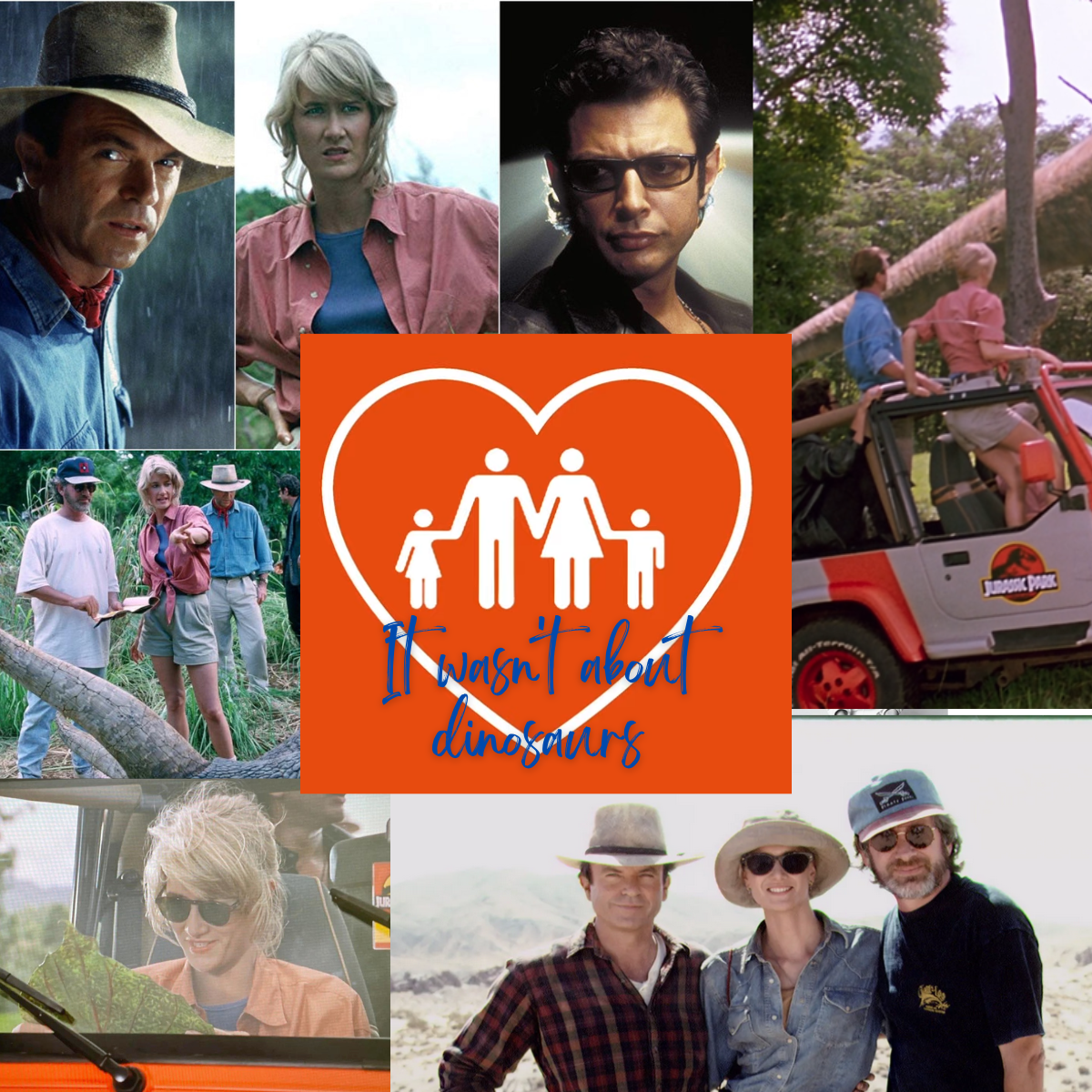
    "Graphic image of a human family inside a heart surrounded by dinosaurs. Image from Mike Hill's YouTube video speech about Narrative Plot in Jurassic Park."


    But that shows up in my VR/XR consulting work to this day.

    The famous quote about rushing into things by the Choatician character Dr. Ian Malcolm:

    Ian Malcolm: Don’t you see the danger, John, uh,
    inherent in what you’re doing here? Genetic power’s the most awesome
    force this planet’s ever seen, but you wield it like a kid who’s found
    his dad’s gun.

    Donald Gennaro: It’s hardly appropriate to start hurling accusations–

    Ian Malcolm: If I may, if I may. Uh, I’ll tell you
    the problem with the scientific power that you’re, that you’re using
    here. It didn’t require any discipline to attain it. You know, you read
    what others had done, and you, and you took the next step. You didn’t
    earn the knowledge for yourselves, so you don’t take any
    responsibility… for it. You stood on the shoulders of geniuses, uh, to
    accomplish something as fast as you could, and before you even knew it,
    you had, you’ve patented it, and packaged it, and slapped it on a
    plastic lunch box, and now (bangs the table) you’re selling it, you
    wanna sell it, well.

    John Hammond: I don’t think you’re giving us our due credit. Our scientists have done things which nobody has ever done before.

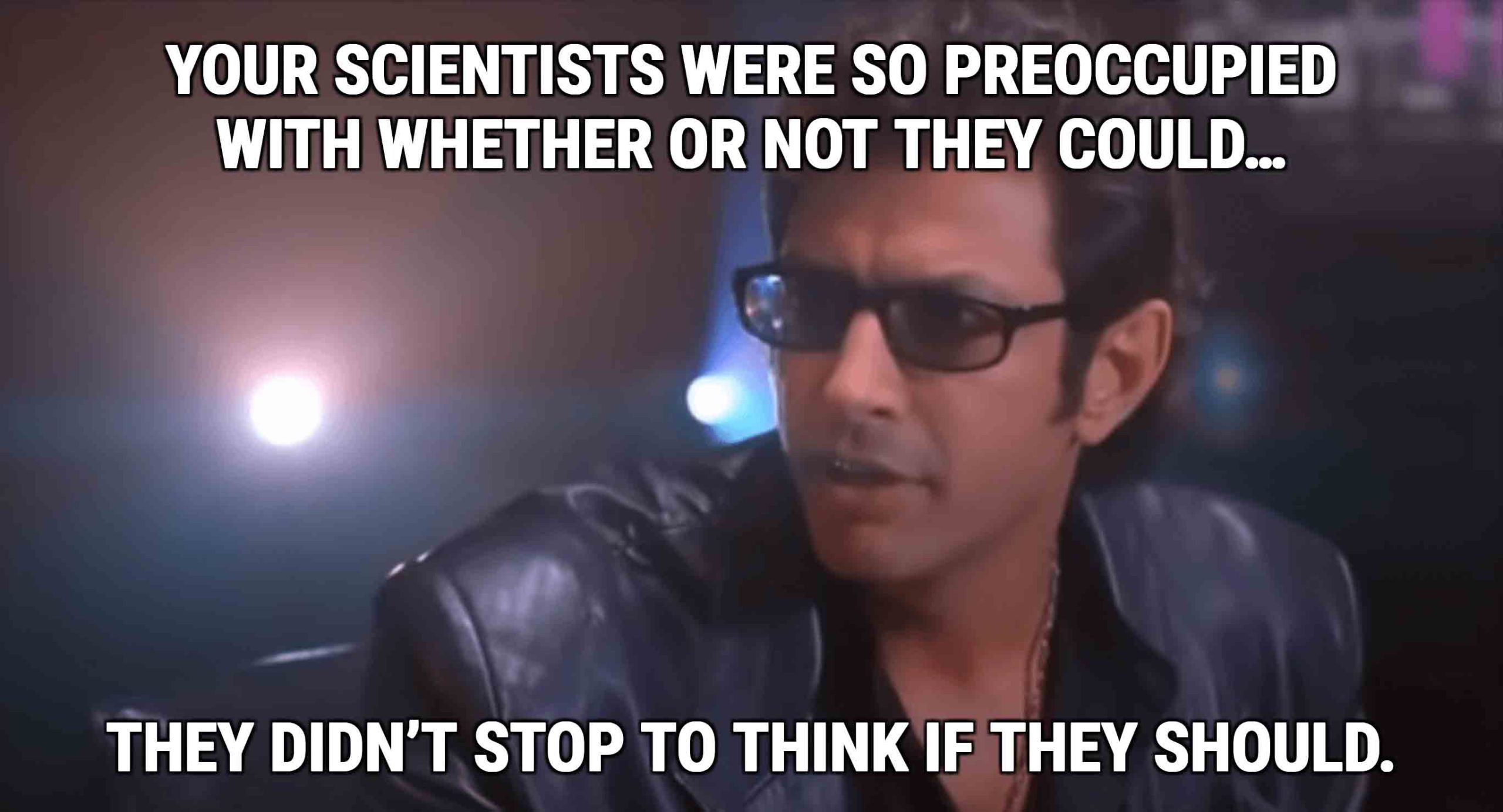
    Ian Malcolm: Yeah, yeah, but your scientists were so preoccupied over whether or not they could, they didn’t stop to think if they should.

    "Meme from Jurassic Park scene: Ian Malcolm: Yeah, yeah, but your scientists were so preoccupied over whether or not they could, they didn't stop to think if they should."


    I fight this battle every day.

    Industry and indeed some in academia want to use XR liberally in
    education. Yet, the power of XR is still unknown. Our early research is
    pointing to one thing that seems firm:

    The mind believes what the eye sees.

    That means that the XR experiences we put our children into will be real for them.

    What power are we wielding in the classroom? Everywhere?

    There are those that say ā€œXR is the Empathy Machine! We can create empathy, soft skills in the workplace!ā€ 

    Oh yeah?

    The most recent research I saw (from 2018) says that empathy coming from XR is a 50/50 gambit. That does not mean that it causes empathy for whatever you want half the time.

    It means it causes empathy half of the time and causes the opposite of empathy the other half of the time!  

    So, would you like your employees to don a headset to be more
    empathetic towards race, age, body size? Oh really? How would you like
    results that say that half of the time, those employees are going to
    take off the headsets and quietly say to themselves ā€œThank God I’m not
    blackā€ 50% of the time? That’s one hell of a bet you are willing to take
    with XR.

    XR is dangerous.

    People say ā€œLook at how you can look all around you! 360 degrees! A
    sphere! Isn’t this cool? Isn’t this new? Just think how this will reach new learners!ā€

    I can take a learner into a new real physical space (for example on a field trip) and have them be overwhelmed. We’re all on the spectrum, remember? Was that cool? Were they reached
    in a new way when they cried? Would you like for me to even mention
    harassment events in VR that have already happened? We haven’t yet
    arrived into market saturation of haptic bodysuits, but it’s coming.

    XR is dangerous.

    I’d rather have a low, slow, plodding walk into an XR for education
    experience than every bell and whistle thrown at them the first day. The
    line ā€œspared no expenseā€ gives me chills.

    XR is dangerous and if we aren’t careful, we will damage learners
    along the way. Jurassic Park should not have been built or opened. Dr.
    Alan Grant refused to give his endorsement. That was the lesson of the
    movie.

    • I’m proud that I don’t endorse some forms of XR (Dr. Alan Grant)
    • I’m proud that I throw water on some XR ideas (Dr. Ian Malcolm)
    • I’m proud that I tackle problems that no one else can survive. (Dr. Ellie Sattler)

    But the parallel lesson of JP was ā€œBuild for story. Because the dinosaurs are not real.ā€

    When I encourage XR design, I build for narrative plot. 

    I build for emotions, 

    because those are real.


    "Graphic image of a family inside of a heart. Image credit to Mike Hill."

    #XR #Design #JurassicPark #NarrativePlot #InstructionalDesign #DrEllieSattler #DrAlanGrant #DrIanMalcolm #Dinosaurs #VR #VirtualReality #EmpathyMachine #Leadership #WomenInMedia #FemTech #Sexism #BestMovieSceneEver #Whistleblower #Scientist #PreoccupiedWithCould #SparedNoExpense #Emotion #DesignForXR 

    Article originally posted same day to LinkedIn here: https://www.linkedin.com/pulse/dr-ellie-sattler-jurassic-park-narrative-plot-wasnt-dodds-ph-d-