
Buh bye Instagram
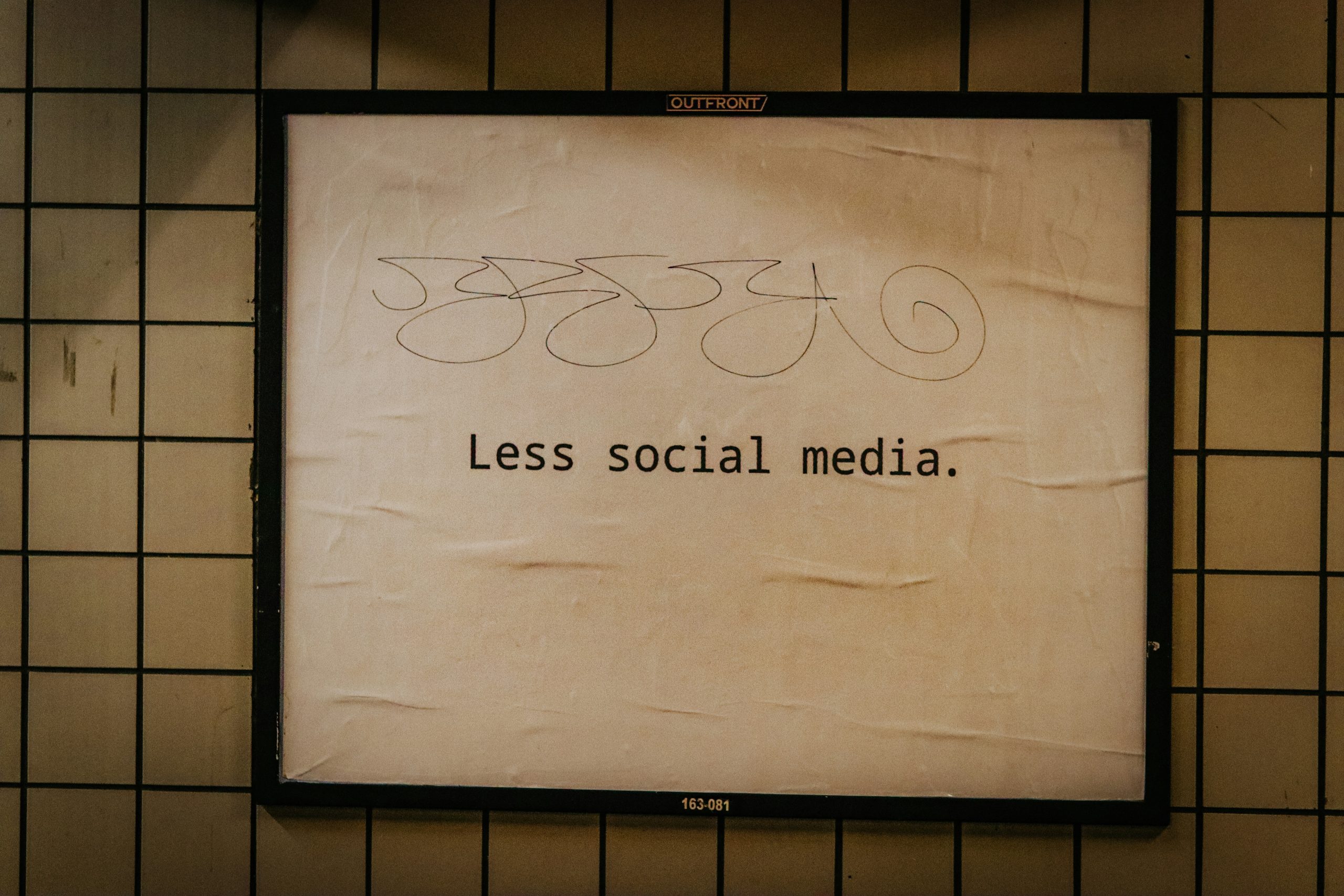 |
| Photo by Jon Tyson on Unsplash |
I’ve deleted my Instagram account.
Why?
One night, I opened Instagram to look at it for a few minutes. Typically, Instagram hands me the latest post from Petey The Seeing Eye Donkey. I also like to see posts from We Rate Dogs and dog skits. But Instagram had an habit of giving me Petey updates at night. Petey is a donkey who is the ‘seeing eyes’ for a blind horse named Luna. The posts are almost ALWAYS the same: Petey leads Luna out of the barn in the morning, Petey lead Luna into the barn at night.
But I wasn’t shown Petey.
Instead the first post was video of a stunned hummingbird lying on a cement floor of a fire department garage and in first person video style, a firefighter was trying to revive her. First he tried sugar water, then he untangled some cob webs from her wings and feet. The bird flew away.
Good resolution, but dramatic video.
Then, I was shown a post of a baby elephant that had somehow gotten into a large water trough and was struggling to get out. Again, first person video style, someone drove up with a Range Rover-type of vehicle. First, they tried lassoing the baby elephant but eventually just got into the tank and another person assisted in pushing the baby elephant up and out of the tank. Then the baby was disoriented and kept going to the vehicle as if it was the mommy so they had to push the baby towards the elephant mom who was distraught and nearby. Very soon, the mommy came to fetch and reassure the baby as the rescuers backed away.
Good resolution, but dramatic video.